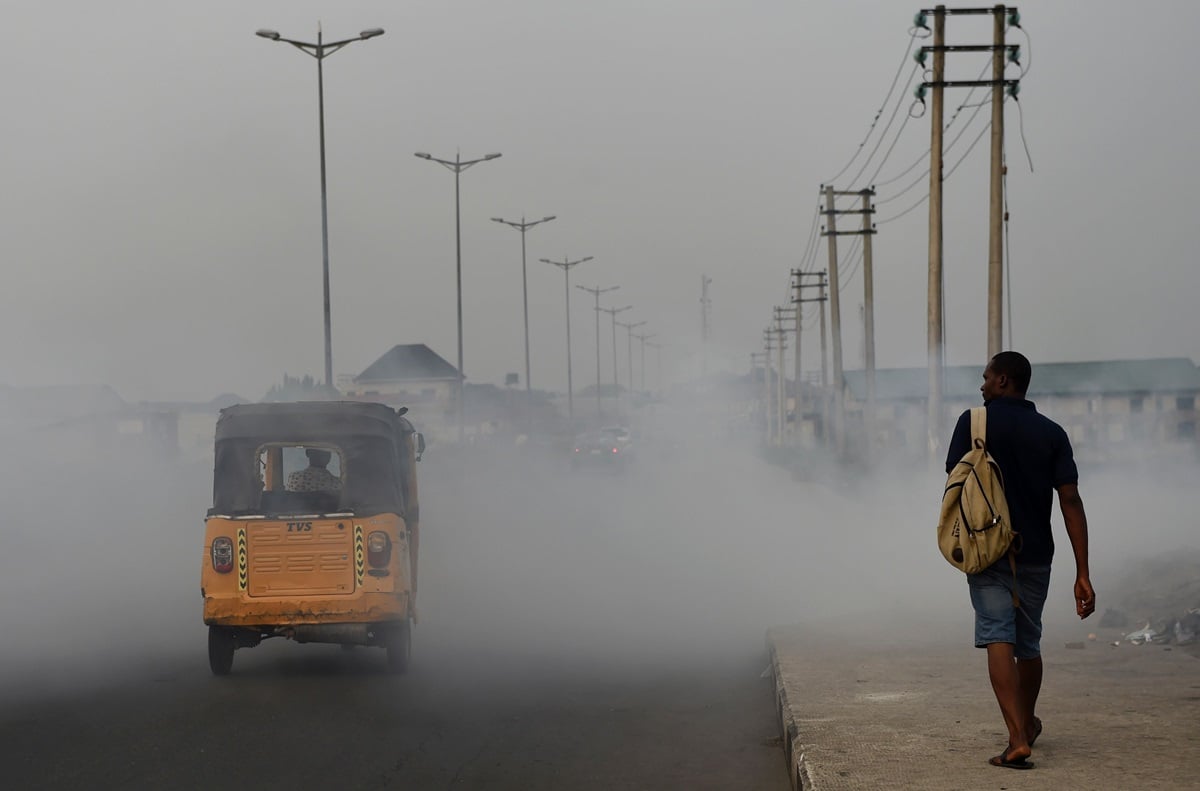
In the relentless symphony of modern life, an insidious threat often goes unnoticed: noise pollution. Far from being a mere annoyance, chronic exposure to excessive sound has emerged as a significant public health hazard, silently contributing to a range of severe health conditions across the United States. Despite tens of millions of Americans suffering from its adverse effects, including heart disease and hearing loss, a unified national strategy to combat this environmental stressor remains conspicuously absent. It's time for the US to recognize noise pollution not as an inevitable byproduct of progress, but as a preventable crisis demanding a comprehensive national plan designed to create quieter, healthier communities and to holistically reduce environmental stressors, including excessive noise and aspects of air quality like smog.
The Unseen Epidemic: Unpacking Noise Pollution's Devastating Health Toll
While often overshadowed by more visible pollutants, noise pollution exerts a profound and detrimental impact on human health. Its effects extend far beyond simple irritation, triggering physiological responses that can lead to chronic disease. The most commonly recognized consequence is hearing loss, ranging from temporary impairment to permanent damage, particularly for those living or working near constant noise sources. Yet, the health risks don't stop at our ears.
- Cardiovascular Disease: Chronic noise exposure elevates stress hormones like cortisol, leading to increased heart rate, blood pressure, and vascular constriction. Over time, this contributes to a higher risk of hypertension, ischemic heart disease, stroke, and other cardiovascular problems. It’s a silent stressor that works on our bodies even when we're asleep.
- Sleep Disturbances: Unwanted sound at night disrupts sleep cycles, leading to fatigue, irritability, reduced productivity, and impaired cognitive function. Fragmented sleep also exacerbates existing health conditions and weakens the immune system.
- Mental Health Impacts: Constant noise can induce stress, anxiety, depression, and heighten irritability. Children exposed to high levels of noise in their homes or schools may experience increased stress, reduced motivation, and difficulty concentrating, leading to impaired learning and developmental issues.
- Cognitive Impairment: Beyond sleep, noise interferes directly with concentration, memory, and problem-solving abilities, particularly in environments like schools and offices.
These health outcomes are not hypothetical; they affect millions of Americans, turning what might seem like a minor inconvenience into a serious public health burden. Addressing this requires a commitment to reduce traffic and community noise pollution comprehensively.
Everyday Din: Pinpointing the Sources and Societal Impact
Noise pollution isn't a singular entity; it's a cacophony of various sources, each contributing to the overall environmental burden. Understanding these origins is key to developing effective mitigation strategies.
The primary culprits are:
- Traffic Noise: Roads, railways, and airports are major contributors. The constant hum of cars, the rumble of trains, and the roar of aircraft, particularly in densely populated areas, are pervasive sources of discomfort and stress for people in their dwellings, hospitals, and schools. While pilots may grow accustomed to aircraft noise, for the general public, it's a significant disruption.
- Industrial Noise: Factories, construction sites, and energy production facilities generate substantial noise, often impacting surrounding residential areas and worker health.
- Community and Recreational Noise: This category encompasses everything from overly loud car stereos that can be heard for blocks (a growing concern, as shared in the reference context) to outdoor events, noisy neighbors, lawnmowers, and even air conditioning units. These individual and localized sources, while seemingly minor, collectively degrade the quality of life in neighborhoods and can provoke significant annoyance and conflict. The individual choice to blast a car stereo, as highlighted in the provided context, often shows a lack of consideration for others' well-being and hearing.
The societal impact of this constant din is profound. It erodes the peace and quiet essential for recovery in hospitals, impairs the learning environment in schools, and diminishes the overall quality of life in residential areas. It exacerbates social inequalities, as lower-income communities often bear a disproportionate burden of noise exposure due to proximity to highways, industrial zones, and commercial districts.
A Blueprint for Peace: Lessons from Proactive Nations Like the Netherlands
The good news is that reducing environmental noise pollution is achievable and consistent with national prevention goals. We don't have to reinvent the wheel; effective models already exist. The Netherlands, a densely populated country, serves as an excellent case study in proactive noise abatement. Recognizing the critical link between physical land planning and noise levels, they introduced the Noise Abatement Act in the 1970s.
This comprehensive legislation mandated regulations on land use, fundamentally altering how development occurs. Key strategies included:
- Strategic Land Planning: Avoiding short distances between noise sources (like major roads or industrial zones) and noise-sensitive destinations (residential areas, hospitals, schools) as much as possible. This foresight prevents problems before they even arise.
- Mitigating Measures: Where complete separation isn't feasible, implementing solutions such as:
- Noise Barriers: Physical structures along highways and rail lines to block sound propagation.
- Quiet Pavement: Using special road surfaces that significantly reduce tire-road noise.
- Appropriate Flight Paths: Designing and adjusting flight corridors to minimize noise over residential areas.
- Source Restrictions: Imposing restrictions on sound emission by vehicles and machinery at the point of manufacture and operation.
- Building Standards: Extending minimum requirements for sound insulation of building facades and internal separations between dwellings, ensuring that homes offer a sanctuary from external noise.
These large-scale options, coupled with numerous smaller, localized measures, demonstrate that a coordinated, multi-faceted approach can effectively reduce noise pollution and significantly improve public health outcomes. The Netherlands understood that investing in a quieter environment is an investment in its citizens' well-being.
The Imperative for Action: Why the US Needs a National Plan to Reduce Environmental Stressors (Including Noise and Smog)
Given the alarming health statistics and the existence of proven solutions, the absence of a national plan to reduce environmental noise pollution in the United States is a glaring oversight. Millions of Americans are suffering preventable harm, and our fragmented approach, relying on disparate local ordinances, simply isn't enough to tackle a problem of this scale.
Just as we strive to reduce smog and other air pollutants through federal regulations and initiatives, we must apply the same comprehensive rigor to noise. A national plan would provide:
- Unified Standards and Guidelines: Establishing consistent federal benchmarks for noise exposure, mitigation strategies, and building codes across all states and municipalities.
- Coordinated Research and Development: Funding for innovative technologies, quieter infrastructure, and a deeper understanding of noise-related health impacts.
- Resource Allocation: Directing federal funding and expertise to communities most affected by noise pollution, particularly those with vulnerable populations.
- Public Awareness Campaigns: Educating citizens about the health risks of noise and promoting responsible behaviors.
- Interagency Cooperation: Ensuring that agencies like the EPA, DOT, HUD, and HHS work together to integrate noise abatement into broader environmental health and urban planning initiatives. This holistic approach is essential to truly reduce the combined burden of environmental stressors like smog and noise.
Such a plan isn't just about reducing decibels; it's about protecting public health, enhancing quality of life, and fostering equitable communities. It’s about creating an environment where every American has the opportunity to live, work, and learn free from chronic noise exposure.
Pillars of a Robust US Noise Abatement Strategy
Developing a national strategy requires a multi-pronged approach that tackles noise at its source, path, and receiver. Key components should include:
- Federal Legislation and Funding: Reinstating federal oversight and providing grants for local noise mitigation projects, research, and data collection.
- Advanced Urban Planning & Zoning: Integrating noise considerations into all levels of urban and regional planning, promoting mixed-use developments that strategically separate residential and noise-generating areas. This includes mandating noise barriers and quiet road surfaces in new infrastructure projects.
- Quieter Technology & Design: Incentivizing industries to develop quieter vehicles, aircraft, appliances, and construction equipment.
- Enhanced Building Codes: Updating building regulations to require higher standards of sound insulation for new constructions and major renovations, especially in noise-prone areas.
- Public Education and Engagement: Launching nationwide campaigns to inform the public about noise pollution's health risks and promote individual actions for mitigating traffic & community noise pollution, such as encouraging responsible use of personal sound systems.
- Community Empowerment: Supporting local governments in developing and enforcing effective noise ordinances tailored to their unique needs, providing resources for monitoring and enforcement.
Actionable Steps for Quieter, Healthier Communities
While awaiting a national plan, communities and individuals can take steps:
- Advocate Locally: Support local noise ordinances, participate in community planning meetings, and report excessive noise to authorities.
- Adopt Green Infrastructure: Encourage the planting of trees and creation of green spaces, which can act as natural sound buffers.
- Invest in Quieter Choices: When purchasing appliances, vehicles, or planning home improvements, prioritize quieter options.
- Personal Protection: Use earplugs or noise-canceling headphones in excessively noisy environments.
- Be a Considerate Neighbor: Be mindful of personal noise levels, whether it's music, power tools, or late-night gatherings.
The time has come for the United States to prioritize the acoustic health of its citizens. A national plan to address noise pollution is not an luxury, but a public health imperative. By learning from international best practices, investing in smart planning, and fostering a culture of sound awareness, we can effectively reduce environmental stressors, from smog to noise, and pave the way for a healthier, more peaceful future for all Americans.